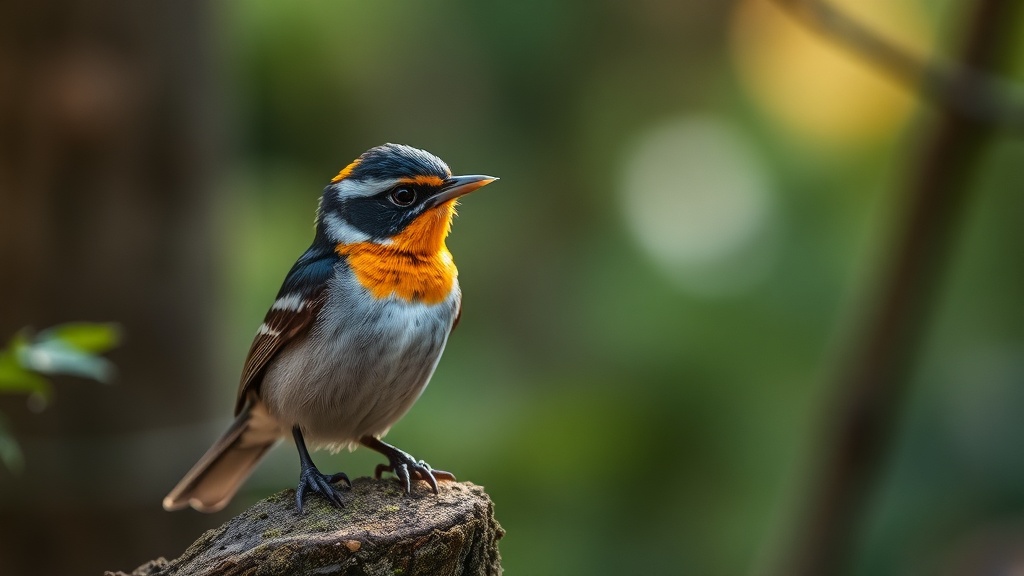
Finding Feathered Friends and Forest Residents: A Hopewell Rocks Wildlife Guide

Did you know that during their autumn migration, up to 75% of the world's population of Semipalmated Sandpipers converge on the mudflats of the Bay of Fundy? This incredible statistic highlights the region's immense ecological significance, far beyond its iconic flowerpot rocks. For those living in or visiting Hopewell Rocks, understanding the local wildlife is more than just a pleasant pastime—it's an opportunity to connect with the vibrant, often hidden, natural world that thrives alongside our community. This guide will walk you through the rich biodiversity of our area, from the smallest shorebirds to the largest marine mammals, offering insights into where and when to look, and how to observe responsibly.
Whether you're a seasoned birder, a curious nature enthusiast, or simply enjoy a quiet stroll with the chance of a wild encounter, this guide is designed to enhance your appreciation for Hopewell Rocks' wild inhabitants. We'll cover terrestrial mammals, a diverse array of bird species, and the majestic marine life that calls the Bay of Fundy home. Knowing what to expect and where to direct your gaze can transform an ordinary walk into an unforgettable wildlife viewing experience.
What Kind of Animals Can You Spot Around Hopewell Rocks?
Our unique geography—the confluence of dense forests, freshwater wetlands, and the dramatic tidal flats of the Bay of Fundy—creates a mosaic of habitats supporting a wide array of creatures. On land, you might encounter white-tailed deer browsing peacefully at dawn or dusk, often near forest edges or in fields adjacent to wooded areas. Red foxes, with their distinctive bushy tails, are also relatively common, sometimes seen darting across quiet roads or hunting in open spaces. Keep an eye out for smaller mammals too, such as raccoons, porcupines, and various squirrel and chipmunk species, particularly around wooded trails and residential areas where food sources are plentiful. While rarer, black bears and coyotes do inhabit the broader New Brunswick wilderness; sightings near settled areas are less frequent but not impossible, so always be mindful of your surroundings, especially when hiking.
The avian population here is truly spectacular, especially during migration periods. Beyond the aforementioned Semipalmated Sandpipers, the Bay of Fundy is a critical stopover for many shorebirds, including sanderlings, plovers, and various species of terns, all feeding on the abundant invertebrates in the mudflats. Raptors like ospreys and bald eagles are often seen soaring overhead or perched near the coastline, fishing in the rich waters. Songbirds such as warblers, vireos, and finches fill our forests with sound in spring and summer. Ducks, geese, and other waterfowl frequent inland ponds and marshy areas. For a comprehensive look at the birdlife, the